When to use this
You're pitching AI work and need to differentiate
Every consultancy has an AI deck. The firm that shows up with a ranked, evidence-backed roadmap wins the engagement. Run this before the pitch.
The client's AI ambition is vague
They want an AI roadmap, but nobody can say which workflows matter. You need evidence from the people doing the work, not workshop opinions.
You need to size the AI opportunity
The client can't fund everything. You need use cases ranked by pain, readiness, and impact so the business case is defensible.
How it works
Define the AI opportunity lens
Set up interviews around workflows, pain points, data availability, adoption barriers, and value drivers.
Capture real work from every function
Reach the people closest to the work. Understand what they do, where friction sits, and what would actually change if AI helped.
Score use cases against evidence
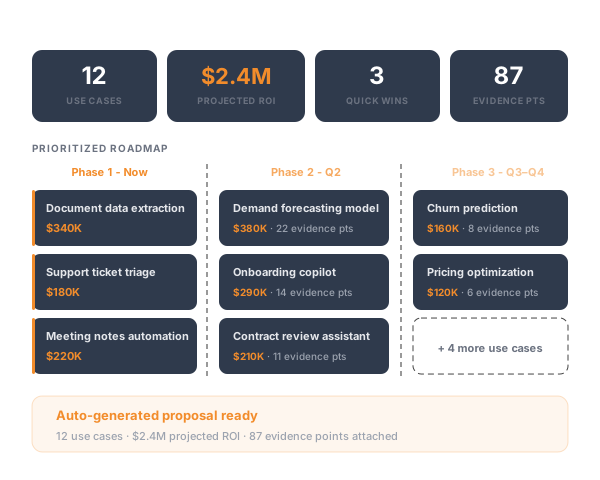
Prioritize opportunities by pain, frequency, readiness, feasibility, and impact - not by who shouted loudest in the workshop.
Export the AI roadmap inputs
Get the ranked use cases, evidence trails, readiness gaps, and recommendations your team needs to build the roadmap.
Impact
Use cases ranked
AI opportunities scored by real pain, readiness, feasibility, and impact
Bad pilots avoided
Ideas pressure-tested before budget is spent building the wrong thing
Roadmap evidence
Every recommendation traceable to stakeholder input and workflow reality
Ready to fund
A clearer path from AI ambition to the first projects worth backing